The Prof. Brahm Prakash Memorial Materials Quiz is a materials-centric, broad-based quiz intended for students at senior secondary school level (classes XI-XII). The basic themes of BPMMQ are usually drawn from two sources – topics introduced in school syllabi, and materials-based events/phenomena/news of general interest.
However, in keeping with the high standards set by past editions of BPMMQ, questions are rarely direct, and aim to test participants’ curiosity, passion and awareness about materials
Scroll down for more!
BPMMQ Quiz Format
Note: The information here is of indicative nature based on past quiz history, and need not be adhered to in entirety. Organisers reserve the right to make modifications when found suitable.
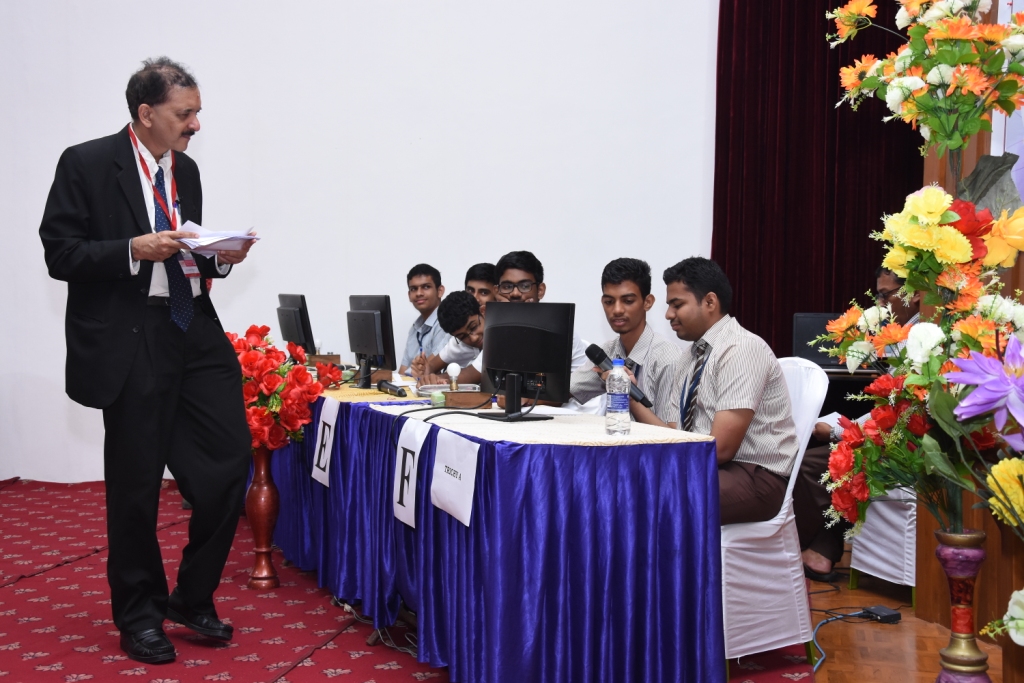
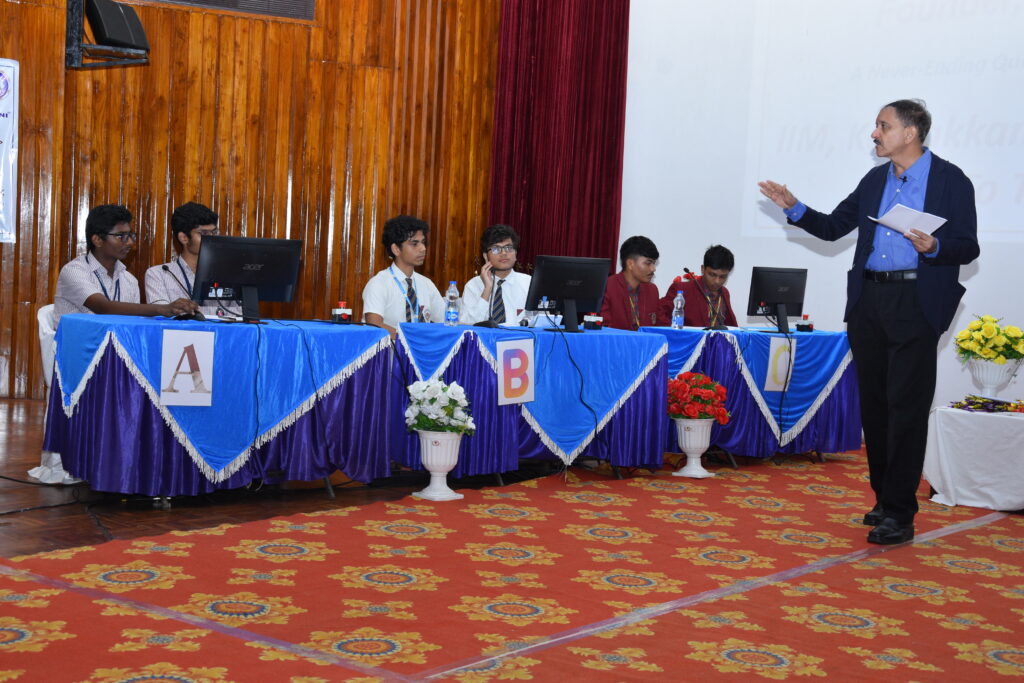
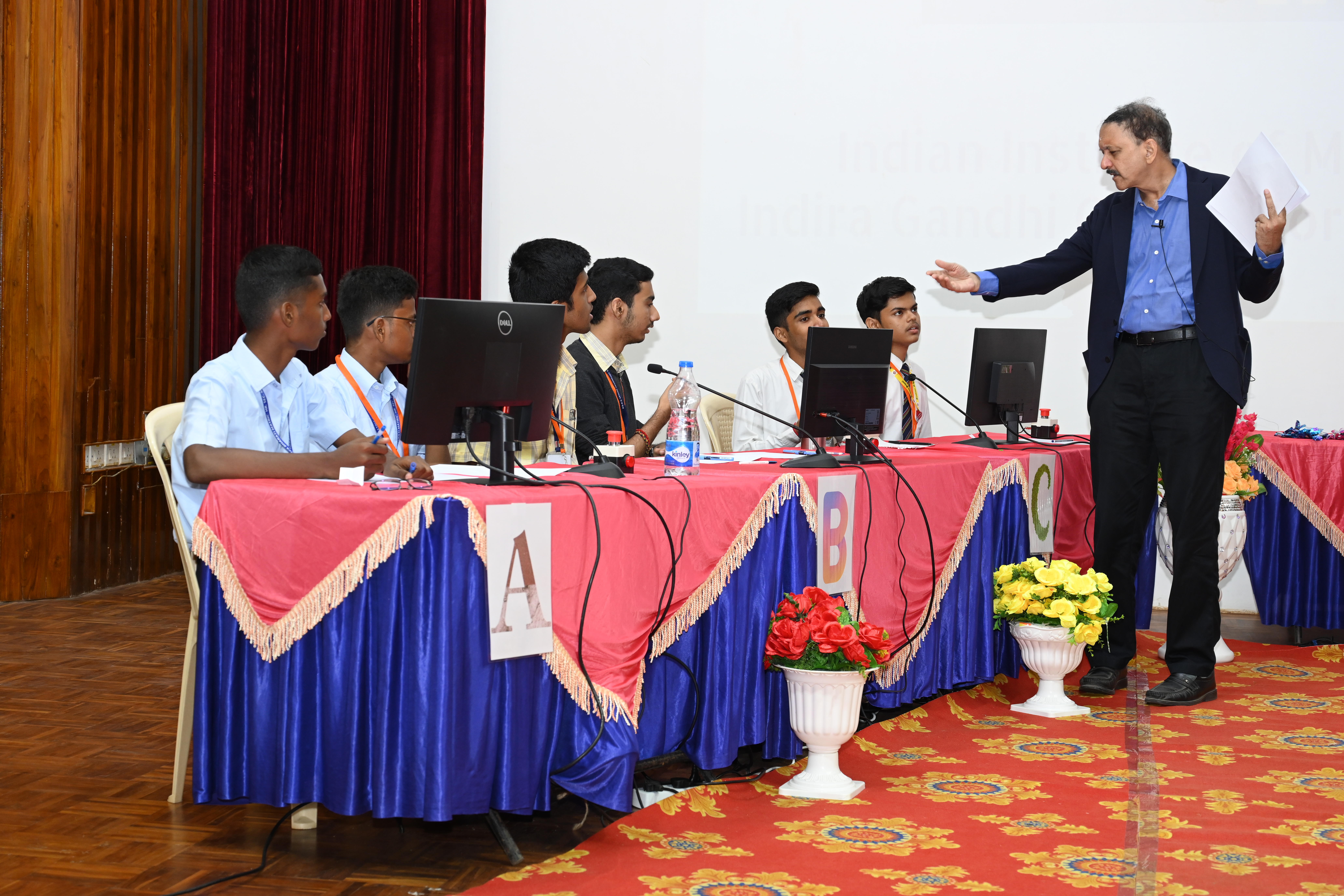
The BPMMQ consists of three rounds – preliminary, semi-final, and final. All rounds consist of verbal (not written) questions. Teams are divided into groups for preliminary rounds, based on a random lottery. Preliminary rounds are conducted in parallel, with best teams in each group advancing to the semi-finals.
Traditionally, preliminary rounds have consisted of 6 themes, and permit passing of questions. Wrong answers traditionally don’t carry negative points.
The semi-final round comprises more challenging questions, often requiring the use of logic, reasoning and analytical skills in conjunction with information. This round is traditionally associated with audio-visual clues and themes. Contestants reaching the semi-finals must expect a surprise or two!
The final round is a mystery round conducted by a professional quiz master. The scoring pattern, number of rounds, themes, and even the style of quizzing is a complete mystery, as the quiz master will often incorporate different quizzing styles into one grand finale.
In view of the keen audience that this round traditionally draws, contestants have often been subjected to elements of performative quizzing.
An indicative (not exhaustive) list of topics that may be used to formulate quiz questions includes
different types of materials – metals & alloys, insulators, semi-conductors, polymers, ceramics and composites, synthetic materials & bio-materials;
the various properties of different materials (physical, mechanical, atomistic, electrical, nuclear, chemical);
important phenomena associated with materials;
people who have made important contributions to materials and related sciences;
the evolution of materials, their connection with civilization and culture;
and last but not least – current trends in materials.
Scroll down for more!
Scroll down for indicative/sample questions!